
A carefully planned wedding day timeline does more than tell everyone where to be. It creates breathing room, protects the moments that matter, and allows you to remain present throughout the celebration.
When a timeline is too tight, even a small delay can affect everything that follows. Hair and makeup may take longer than expected. Transportation can arrive late. Family members may disappear just before formal portraits. A ceremony might begin behind schedule.
None of these situations has to ruin your day. However, without enough flexibility built into the schedule, they can create unnecessary stress and reduce the time available for meaningful photographs.
After photographing more than 800 weddings over nearly 19 years, I have learned that the strongest wedding photographs rarely come from rushing. They happen when couples have enough time to settle into the experience, connect with the people around them, and allow authentic moments to unfold naturally.
This guide will help you build a photo-friendly wedding timeline that supports your photography while keeping the day comfortable, organized, and enjoyable.
Why Your Wedding Day Timeline Matters
Your timeline influences nearly every part of your wedding experience.
It determines when your vendors arrive, how much time you have for portraits, whether you can attend cocktail hour, and how smoothly the reception progresses. It also affects how rushed—or relaxed—you feel throughout the day.
A strong wedding day timeline should accomplish three things:
- Keep the major events organized
- Provide enough time for meaningful photography
- Give you space to enjoy the celebration
The goal is not to schedule every minute of the day. The goal is to create a reliable structure with enough flexibility to handle the unexpected.
Your photographer, wedding planner, venue coordinator, hair and makeup team, transportation company, florist, entertainment team, and caterer may all work from the same general schedule. Because so many people depend on it, the timeline should be realistic, easy to understand, and shared well before the wedding.
Begin With the Events That Cannot Move
Before deciding when photography begins, identify the fixed points in your wedding day.
These are usually:
- Ceremony start time
- Cocktail hour
- Reception start time
- Venue access time
- Required end time
- Transportation departure times
- Sunset
- Religious or cultural traditions
Once these fixed events are established, the rest of your wedding timeline list can be built around them.
For example, if the ceremony begins at 5:00 p.m., you can work backward to determine when portraits should finish, when the first look should happen, when everyone should be dressed, and when hair and makeup must be completed.
This approach is far more reliable than choosing a photography start time first and trying to fit everything else around it.
Coordinate With Your Wedding Venue Timeline
Your wedding venue timeline may include rules or logistical requirements that are not immediately obvious.
The venue may determine:
- When vendors can begin setting up
- When the wedding party can enter
- When personal items must be removed
- How long cocktail hour will last
- When dinner service must begin
- When speeches or dances should happen
- What time music must end
- When cleanup must be completed
Some venues have generous setup windows, while others host multiple events and follow a much tighter schedule. Ask your venue coordinator for these details before finalizing the rest of your plans.
If your ceremony and reception are happening at different locations, travel time must also be included. Add extra time for traffic, parking, loading the wedding party into vehicles, and gathering everyone before departure.
A 20-minute drive can easily become a 35- or 40-minute transition when a large wedding party is involved.
Give Hair and Makeup More Time Than You Think
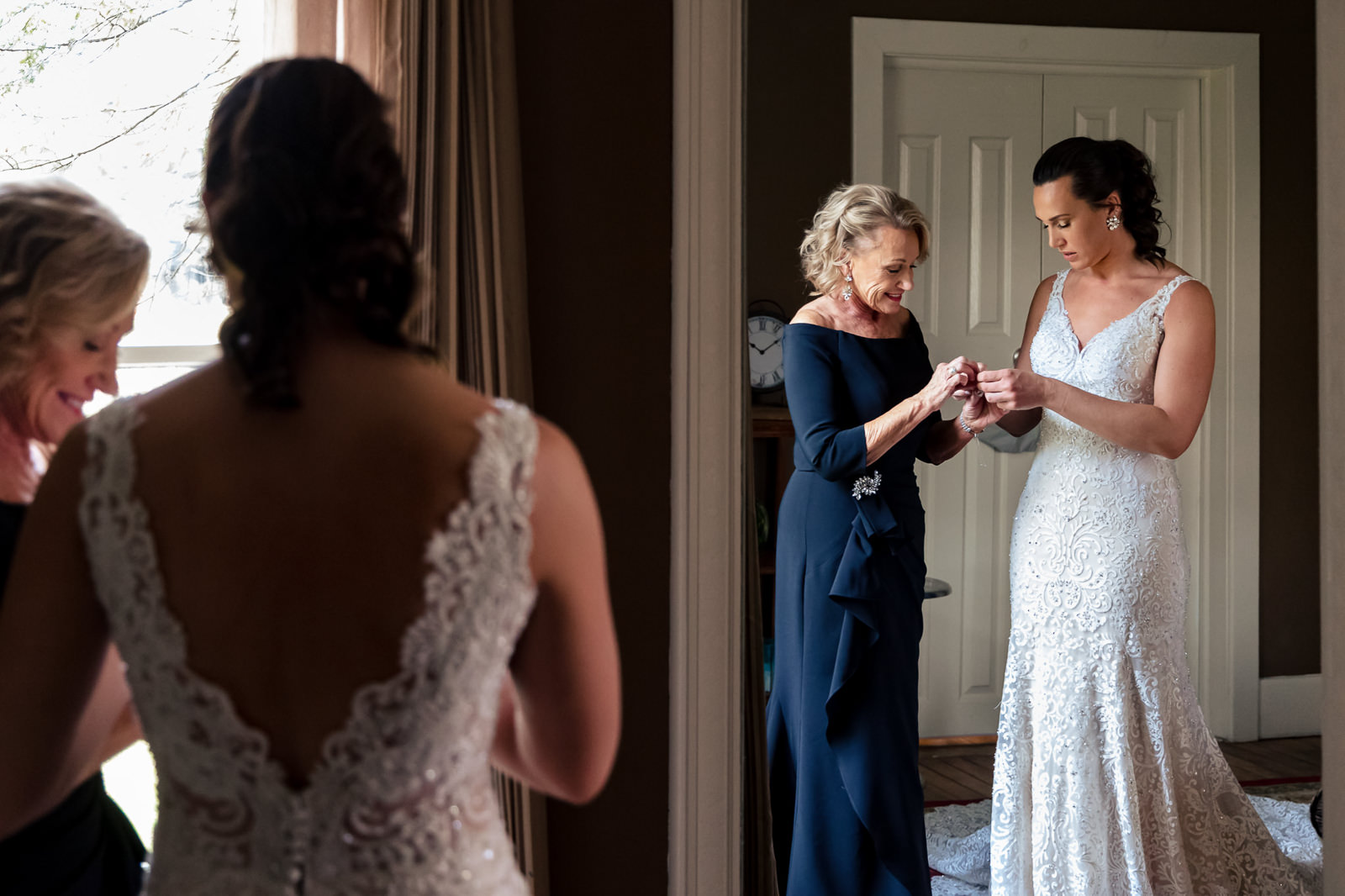
Getting-ready delays are one of the most common reasons a wedding timeline begins to fall behind.
Hair and makeup schedules often look efficient on paper, but the morning includes more than beauty services. People are eating, talking, answering phone calls, steaming clothing, searching for accessories, exchanging gifts, and helping one another get dressed.
Whenever possible, the couple should not be scheduled last for hair and makeup. Finishing close to last is usually better because it allows a small buffer before getting dressed.
I generally recommend planning for hair and makeup to finish approximately 30 to 45 minutes before the couple needs to begin dressing.
That time can be used for:
- Final makeup adjustments
- Photographing attire and personal details
- Cleaning and organizing the room
- Putting on jewelry or accessories
- Sharing a quiet moment with family
- Handling any unexpected delays
A little additional time in the morning can protect the rest of the wedding day timeline.
Plan Enough Time for Getting-Ready Photographs
Getting-ready photography is about more than photographing clothing and accessories. This part of the day often includes some of the most personal interactions between the couple, their closest friends, and their families.
For a relaxed getting-ready experience, allow approximately 60 to 90 minutes of photography before leaving for the ceremony or first look.
This may include:
- Wedding attire and accessories
- Invitations and meaningful details
- Hair and makeup finishing touches
- Candid moments with the wedding party
- Putting on the wedding attire
- Parent reactions
- Gift or letter exchanges
- Individual portraits
- A reveal with family or the wedding party
The room should be kept as organized as possible. Bags, food containers, garment packaging, and personal belongings can quickly become distracting in photographs.
Choose one area with good natural light and keep it relatively clear. This gives your photographer a clean, consistent space to work in without repeatedly moving items.
Decide Whether You Want a First Look
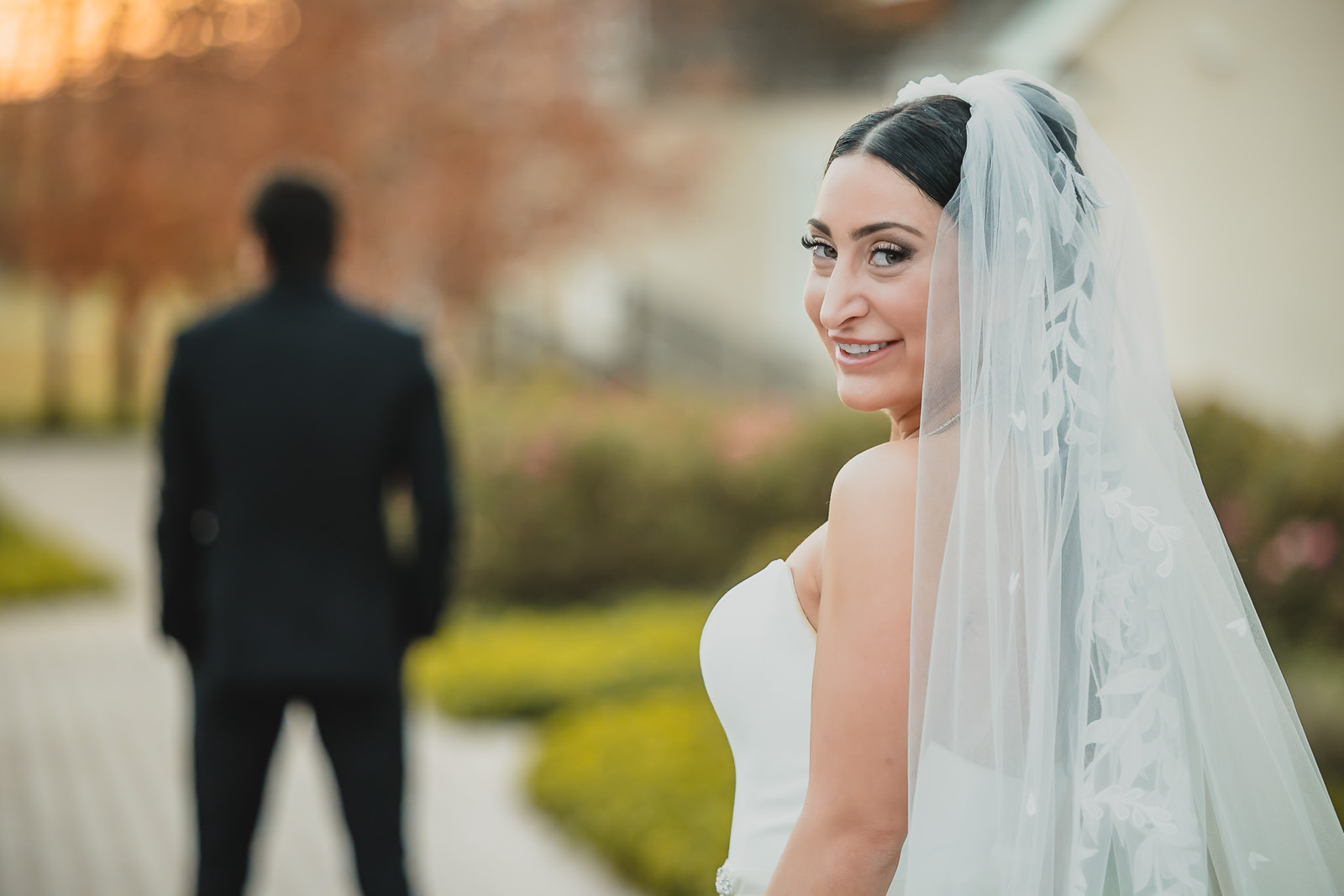
A first look can significantly change the structure of your wedding day timeline.
By seeing one another before the ceremony, you may be able to complete:
- Couple portraits
- Wedding-party photographs
- Immediate-family portraits
- Some extended-family combinations
This can create more time after the ceremony and may allow you to attend part—or all—of cocktail hour.
A first look is not simply a scheduling tool. It can also provide a private emotional moment before the public events begin. For some couples, that quiet time helps them feel grounded and connected.
However, a first look is not required for beautiful wedding photography. If you prefer to see one another for the first time during the ceremony, the timeline can be designed around that decision.
In that case, more portrait time should be reserved between the ceremony and reception.
Protect the First Look From Becoming Another Rushed Event
If you decide to have a first look, avoid placing it too close to the ceremony.
The first look itself may take only a few minutes, but the complete process takes longer. Your photographer must position both people, allow the moment to unfold, and then transition into portraits.
Approximately 20 to 30 minutes should be reserved for the first look and the first set of couple portraits. Additional time will be needed for the wedding party and family.
A rushed first look can feel overly staged. A relaxed one gives you time to talk, take in the moment, and enjoy being together before the rest of the day begins.
Create a Family Portrait List Before the Wedding
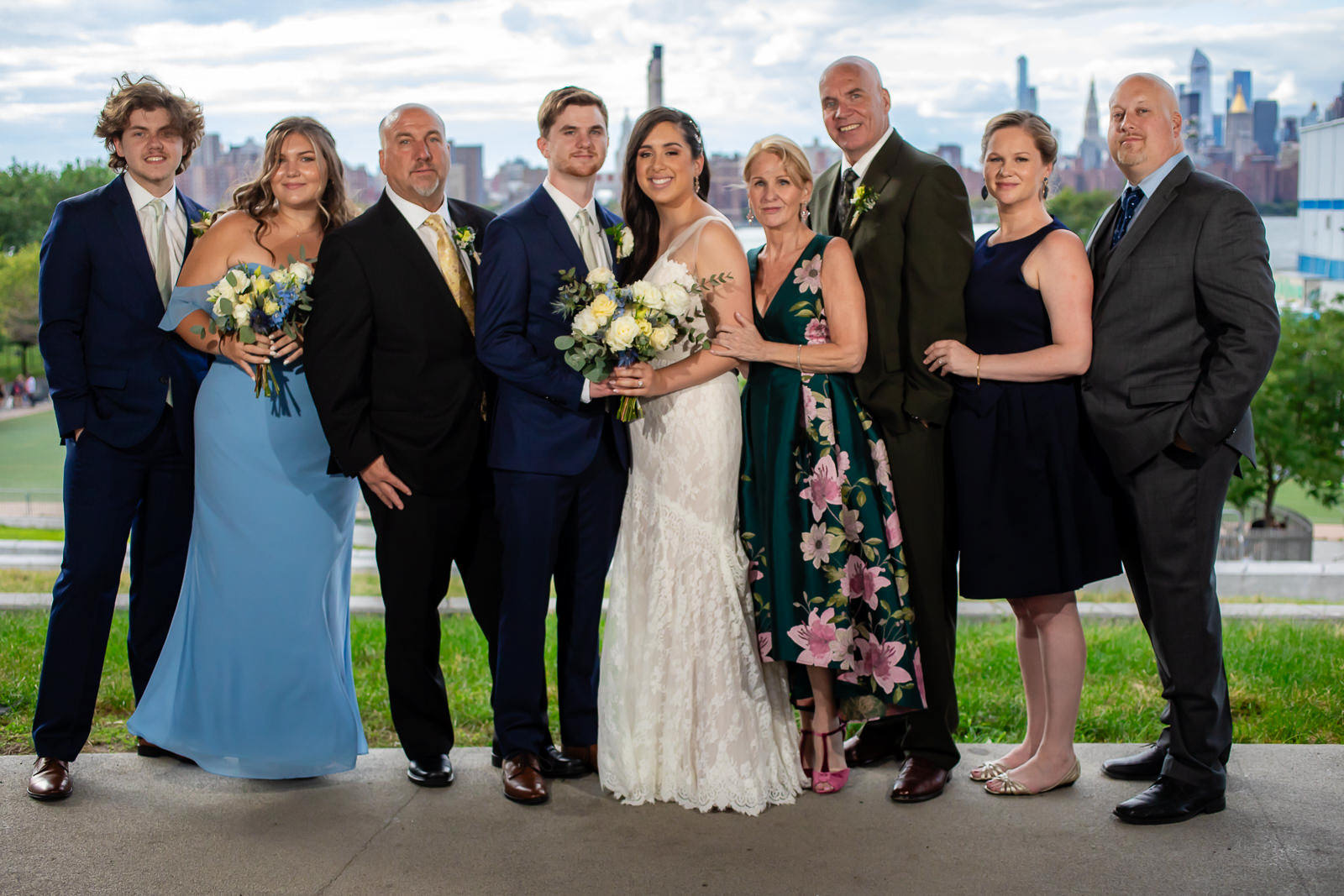
Family portraits are important, but they can become one of the most difficult parts of the day if there is no plan.
Create a concise family portrait list before the wedding. Begin with immediate family and then add any essential extended-family combinations.
A practical list might include:
- Couple with both families
- Couple with one set of parents
- Couple with the other set of parents
- Couple with parents and siblings
- Couple with grandparents
- Couple with immediate family from each side
- Couple with all immediate family members
Every additional grouping requires time to locate people, arrange them, and take the photograph. Keeping the list focused usually produces a smoother experience.
Ask one person from each side of the family to help gather relatives. Your photographer may know the names on the list, but a family member can identify people quickly and help keep everyone nearby.
For most weddings, allow approximately 20 to 30 minutes for immediate-family photographs. Larger families or extensive portrait lists may require more time.
Account for the Wedding Party
Wedding-party photographs often take longer than couples expect, especially when the group is large.
A complete set may include:
- Entire wedding party
- Couple with each side of the wedding party
- Individual photographs with attendants
- Smaller friend or sibling groups
- Candid or movement-based photographs
- Traditional and editorial portraits
For an average-sized wedding party, reserve approximately 20 to 30 minutes. Large groups may require 30 to 45 minutes.
Everyone should be fully dressed, holding the correct flowers or accessories, and ready before the scheduled start time.
It also helps to assign someone to gather bouquets, straighten clothing, remove phones, and keep personal belongings out of the portrait area.
Build Breathing Room Into the Schedule
One of the most important items on any wedding timeline checklist is buffer time.
A wedding day involves many people, locations, and moving parts. Even a beautifully organized celebration can experience small delays.
Consider adding 10 to 15 minutes of flexibility around:
- Hair and makeup
- Getting dressed
- Transportation
- The first look
- Family portraits
- Wedding-party portraits
- Moving between locations
- Bustling the wedding attire
- Entering the reception
This does not mean your wedding will feel slow. In most cases, those minutes are absorbed by natural transitions.
If everything runs perfectly, the extra time becomes an opportunity to relax, refresh, or create additional portraits.
Consider the Light When Scheduling Portraits
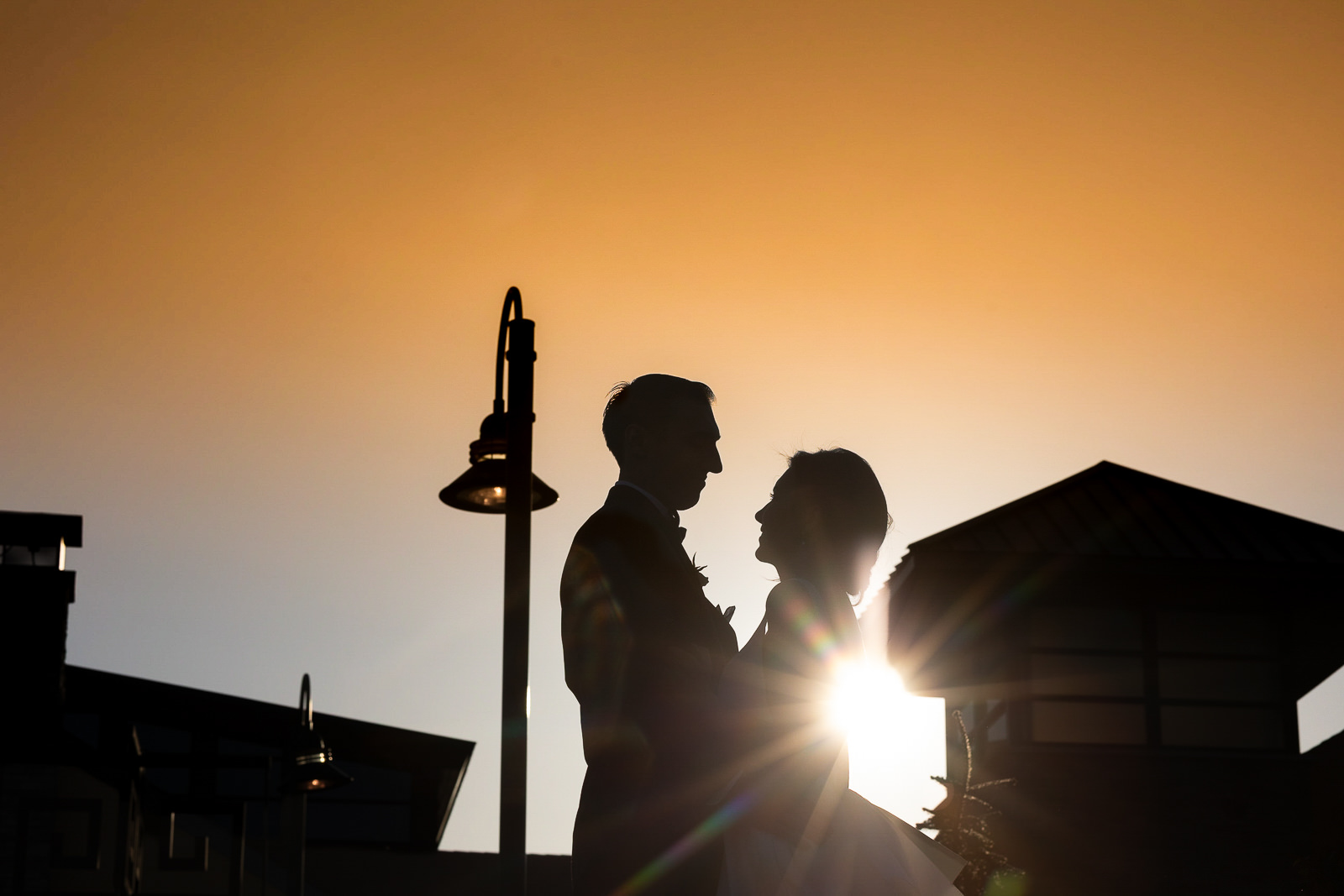
Photography is shaped by light, and the time of day can dramatically affect the look and feeling of your images.
Midday light can be bright and direct. Late-afternoon light is often softer, while the period before sunset can create warmer and more dimensional photographs.
Ask your photographer when sunset will occur on your wedding date. If possible, reserve 10 to 20 minutes for portraits during the final hour before sunset.
These portraits do not need to interrupt the reception for long. They can be scheduled between dinner courses, immediately after the ceremony, or during a natural transition in the evening.
If your venue has limited outdoor space or the weather does not cooperate, an experienced photographer can identify strong indoor locations and alternative light.
The timeline should support the photography without making your wedding day dependent on perfect conditions.
Build a Realistic Wedding Timeline for the Reception
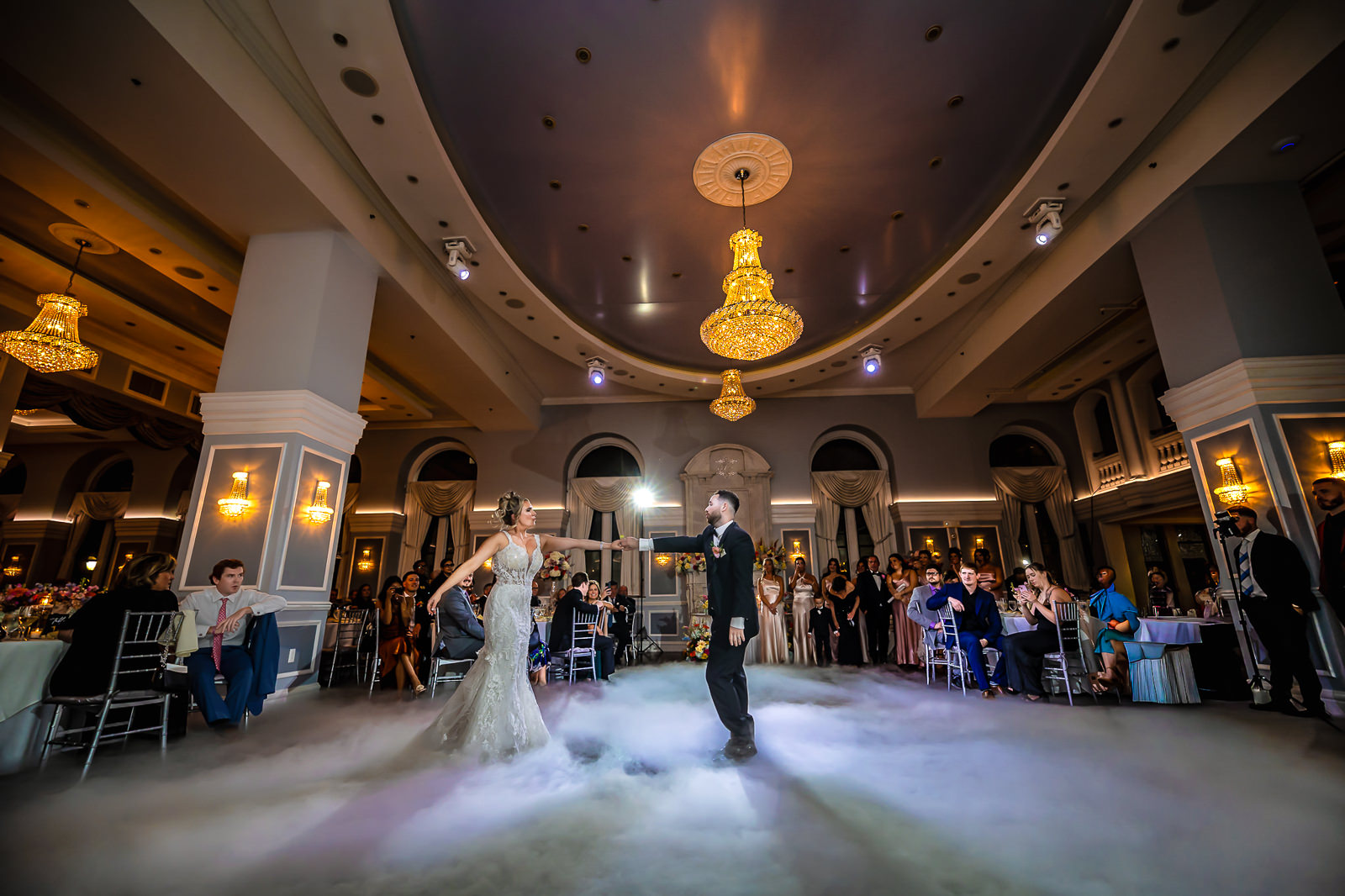
Your wedding timeline for reception events should feel organized but not overly packed.
A typical reception may include:
- Wedding-party introductions
- Couple’s entrance
- First dance
- Welcome remarks
- Parent dances
- Blessing
- Dinner service
- Toasts
- Cake cutting
- Cultural traditions
- Open dancing
- Private last dance
- Grand exit
You do not need to include every possible reception tradition. Choose the events that genuinely matter to you.
Work with your planner, venue, caterer, DJ, or band to determine the best order. Dinner service is especially important because the kitchen may need speeches and formalities to happen within specific windows.
Avoid placing too many events back-to-back. Guests need time to eat, talk, and settle into the celebration.
It is also helpful to complete important formalities before photography coverage ends. If the cake cutting or parent dances are scheduled late in the evening, make sure they happen while your photographer is still present.
Sample Photo-Friendly Wedding Day Timeline
The following wedding timeline day of template is an example for a 5:00 p.m. ceremony with the ceremony and reception at the same venue.
Sample Timeline With a First Look
12:00 p.m.
Hair and makeup continue
1:00 p.m.
Photographer arrives and begins detail photographs
1:30 p.m.
Getting-ready photographs
2:00 p.m.
Couple gets dressed
2:30 p.m.
First look
2:45 p.m.
Couple portraits
3:15 p.m.
Wedding-party photographs
3:45 p.m.
Immediate-family portraits
4:15 p.m.
Portraits conclude; couple relaxes before ceremony
5:00 p.m.
Ceremony begins
5:30 p.m.
Ceremony ends
5:40 p.m.
Additional family or couple portraits
6:00 p.m.
Cocktail hour
7:00 p.m.
Reception entrance and first dance
7:15 p.m.
Welcome and dinner service
8:00 p.m.
Toasts
8:30 p.m.
Parent dances
8:45 p.m.
Open dancing
9:30 p.m.
Cake cutting
10:00 p.m.
Evening portraits
11:00 p.m.
Photography coverage ends
This timeline is only a starting point. Ceremony length, family size, cultural traditions, travel, venue rules, and photography priorities can all change the schedule.
Sample Timeline Without a First Look
If you do not want a first look, the portrait schedule can be divided before and after the ceremony.
1:30 p.m.
Photographer arrives
2:00 p.m.
Getting-ready photographs
2:45 p.m.
Individual portraits and wedding-party photographs
3:30 p.m.
Separate immediate-family photographs
4:15 p.m.
Portraits conclude
5:00 p.m.
Ceremony begins
5:30 p.m.
Ceremony ends
5:40 p.m.
Combined family portraits
6:00 p.m.
Wedding-party photographs
6:20 p.m.
Couple portraits
7:00 p.m.
Reception entrance
This option requires a focused portrait period after the ceremony. Cocktail hour may need to be extended, or the couple may miss most of it.
Neither approach is automatically better. The best choice depends on how you want the day to feel.
Your Wedding Timeline Checklist
Use this wedding timeline checklist when reviewing your final schedule:
- Confirm venue access and end times
- Confirm the ceremony start time
- Check sunset time
- Include realistic hair and makeup timing
- Schedule getting-ready photography
- Decide whether to have a first look
- Reserve time for couple portraits
- Create a family portrait list
- Allow enough time for wedding-party photographs
- Include transportation and parking time
- Add buffers between major events
- Coordinate the schedule with every vendor
- Confirm the order of reception events
- Schedule important events during photography coverage
- Share the final timeline with the wedding party and family
- Keep printed or digital copies available on the wedding day
Who Should Create the Wedding Day Timeline?
Your wedding planner usually creates and manages the master timeline. Your photographer should review the photography-related portions and recommend realistic amounts of time for portraits.
The venue, catering team, entertainment company, transportation provider, hair and makeup artists, and other vendors may also contribute important details.
The final schedule should bring these requirements together instead of relying on separate, conflicting timelines.
If you are planning without a professional planner, designate someone other than yourself to monitor the schedule. You should not spend your wedding day checking the clock or contacting vendors.
Frequently Asked Questions About Wedding Day Timelines:
A Better Timeline Creates a Better Experience
A photo-friendly wedding day timeline is not about turning your celebration into a production schedule. It is about protecting your experience.
When you have enough time to get dressed, connect with family, enjoy your first look, and move naturally through portraits, you are more likely to feel present. That presence comes through in your photographs.
The most meaningful images are often found between the scheduled events: a parent seeing you dressed for the first time, a quiet exchange before the ceremony, friends laughing during portraits, or the two of you taking a breath before entering the reception.
Those moments need room to happen.
Your planner will help coordinate the overall celebration, your venue will manage its logistical requirements, and your photographer will help protect the light, portraits, and visual story of the day. When those pieces work together, the timeline becomes more than a wedding timeline list. It becomes a framework for a calm, memorable experience.
Planning Your Wedding Photography?
Your wedding deserves to feel as meaningful as it looks. I combine thoughtful guidance with an editorial and documentary approach, helping couples create timeless photographs without losing the natural energy of the day.
If you are planning a wedding in Brooklyn, New York City, or New Jersey, I would be happy to help you build a photography timeline that gives you space to celebrate, connect, and remain fully present.
CTA Button:
Plan Your Wedding Photography
